

Election Day
The Science of Politics
and the Art of Civics
Welcome to the Biological Renaissance.
THE AMERICAN REPUBLIC
After an election, I can spend hours thinking about what one president or a hundred senators ought to do differently. Then I realize I couldn’t tell you what half the people on my street know how to do, or what we might be able to build together if someone invited us to sit down.
That’s where I want to begin.
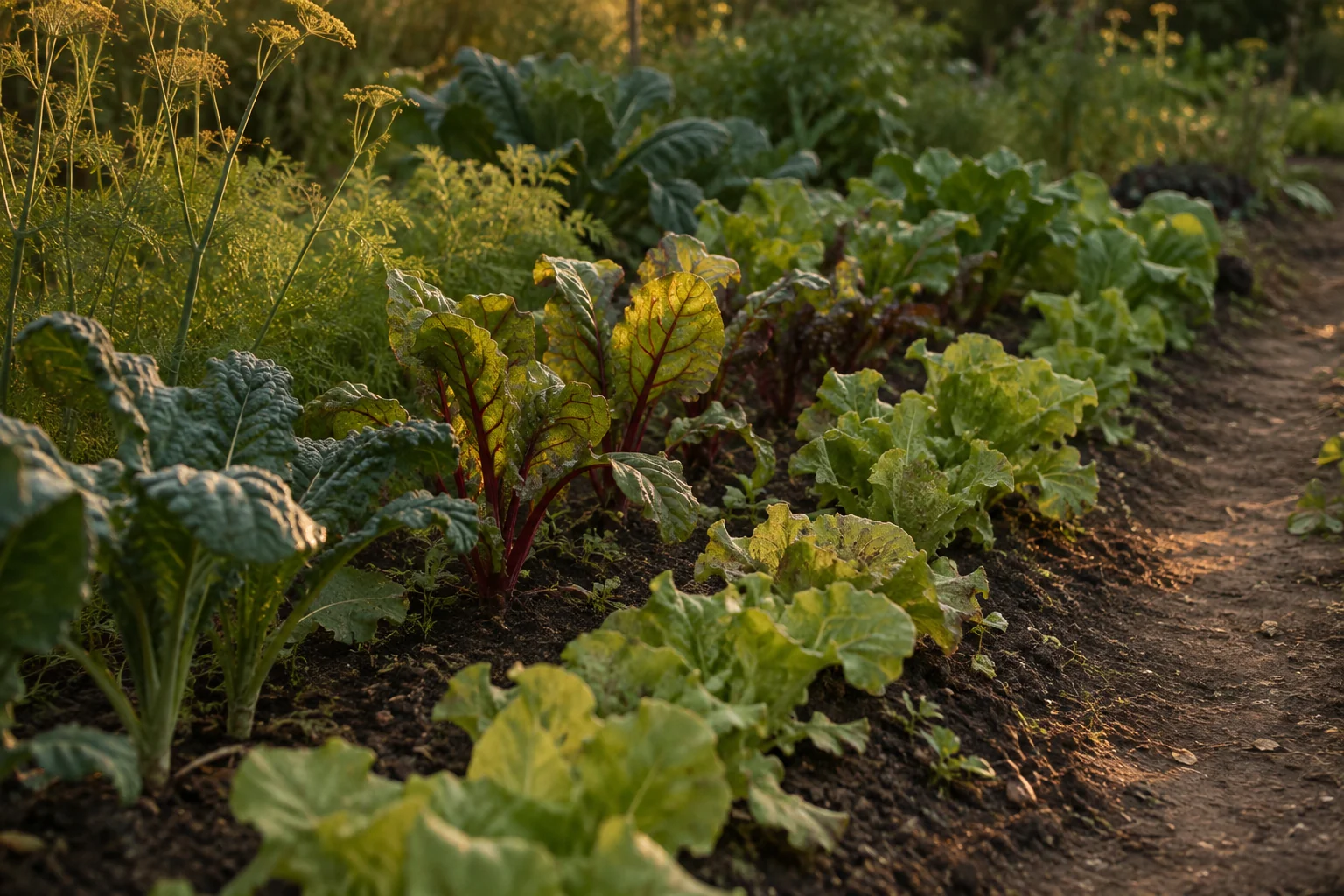
Politics is the science of how we govern. Civics is the art of how we live together. It’s how we feed one another, pass on what we know, and take care of the places we call home. Those are things we can practice now, in the towns and neighborhoods where we already live.
Here are eight ways to begin.
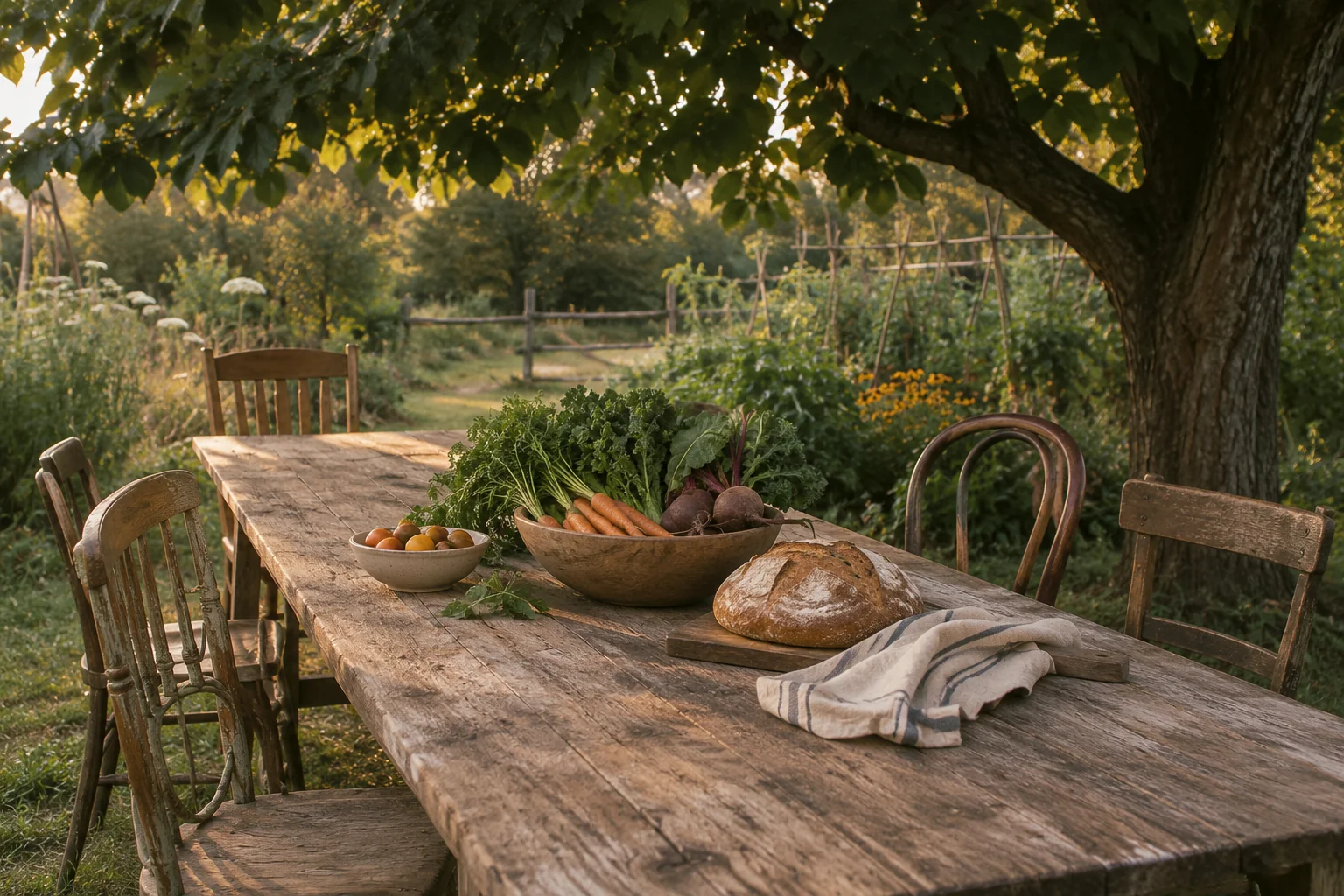
Concept imagery · No actual initiative is depicted.
Eight Invitations to Participate
Art of Civics
Reclaim the Art of Belonging
Invite a few neighbors to sit down together. Ask what they love about where they live, what needs care, and what they could do together in the next month.
Begin here. Start a Civics Hub in your town. Pick a date, invite a few neighbors, and choose one thing to do together.
Bloodlines
Sovereignty Begins in Remembrance
America holds the stories of hundreds of peoples, nations, and cultures. Some have cared for this continent for thousands of years. Others carry memories of homelands across oceans and borders. Knowing more about where we come from can change how we understand ourselves and how we listen to one another.
Begin here. Ask someone in your family what they remember about where you come from. Write down one story you want to carry forward.
Life Lines
Rewild the Human Experience
Follow the water through your neighborhood. Learn the names of the plants growing along the way. Find out where the birds go when the seasons change. The places we pass every day have more to teach us when we slow down long enough to notice.
Begin here. Walk a stretch of your watershed or plant something native. Choose one place you want to get to know and care for.
Supply Lines
Grow Food Where You Live
Food sovereignty begins close to home. A patch of lawn can become a garden. A few neighbors can share tools, trade seeds, and grow food suited to the place they live. Over time, those small choices give a community more ways to feed itself.
Begin here. Find room for ten food-producing trees, shrubs, or vines. If space is tight, see what you and your neighbors could plant together.
Pro Lines
Rediscover the Genius of Our Hands
Every neighborhood has people who know how to grow, repair, teach, build, and care for others. Some of the most useful things people know how to do never show up on a résumé. Imagine what you could make together if you knew who lived down the street and what they loved doing.
Begin here. Ask three neighbors what they know how to do, what they’d be willing to share, and what they’d love to learn.
Genius Lines
Let Every Child Become
A child can spend an afternoon following a creek, help a carpenter make something real, or learn to grow a meal beside someone who has done it for decades. Experiences like these give children room to discover what holds their attention and what they might love to become good at.
Begin here. Host an afternoon outdoors, mentor a young person, or offer an apprenticeship. These are ways to begin growing a local Genius Academy.
Wisdom Lines
Bring the Generations Home
There are things a community can only learn from the people who have lived through its changes. Make time for those stories. Put children, neighbors, and elders around the same table and give everyone a reason to stay a little longer.
Begin here. Host a monthly Wisdom Dinner. Invite an elder to tell a story and, with their permission, record it for the next generation.
Civics Lines
Grow the Roots of a Living Republic
What could self-governance look like if it grew from how people already care for their land, their families, and one another? Biological Elegance and Biological Governance: The Union Papers give us a place to explore that question. The work begins in the places where we can see the consequences of our choices and take responsibility for them together.
Begin here. Read Biological Elegance. Bring one question from it to your local gathering and talk about what it asks of your community.
We are the Republic.
What would you like to begin in your community?
Leave your email to hear from The American Republic. If one or more invitations speak to you, tell us which ones. We’ll let you know when there’s a way to get involved.